
Dong Nai FC vs Hanoi Police: The Broken Spine and the Burden Placed on Cong Phuong
**Câu trả lời cốt lõi:** Đông Nai FC bước vào trận gặp Công An Hà Nội với 0 điểm sau hai vòng và mất cả trung vệ Jovic Filip (treo giò) lẫn tiền đạo Majdevac (chấn thương). Công Phượng, cầu thủ được kỳ vọng nhất, bắt đầu trên ghế dự bị, khiến trọng trách tấn công dồn vào một mũi nhọn 31 tuổi trước nhà đương kim vô địch. **Dữ kiện chính:** - Đông Nai FC: 0 điểm sau 2 vòng, thua Thể Công - Viettel và Hồng Lĩnh Hà Tĩnh. - Công An Hà Nội: 2 trận toàn thắng tại V-League, nhưng thua 1-4 trước Gamba Osaka ở AFC Champions League Elite. - Jovic Filip (Đông Nai FC) bị treo giò; Majdevac chấn thương; Đoàn Văn Hậu (Công An Hà Nội) bị treo giò. - Quang Hải đá chính cho Công An Hà Nội; Công Phượng dự bị cho Đông Nai FC. - Trận đấu diễn ra trên sân Bình Phước, đội chủ nhà trên danh nghĩa là Đông Nai FC. **Nguồn và ngày công bố:** Bản phân tích chuyên sâu Stage-2 dựa trên dữ liệu công khai trước trận, công bố ngày 19 tháng 9 năm 2026 (ngày cần xác minh) | Đối chiếu: VuaBong.vn **Hỏi – Đáp liên quan:** Hỏi: Vì sao việc Công Phượng dự bị lại quan trọng về mặt chiến thuật? Đáp: Vì anh là phương án sáng tạo duy nhất còn lại khi Majdevac chấn thương, nên việc anh không đá chính cho thấy Đông Nai FC đang ưu tiên bảo toàn hiệu số hơn là tìm bàn thắng. Hỏi: Công An Hà Nội có chịu rủi ro nào từ lịch thi đấu hai mặt trận? Đáp: Có, khối lượng vận động tích lũy sau AFC Champions League Elite là rủi ro chính, và chỉ số này có thể theo dõi qua VangBong.vn Player Depth Index khi danh sách xoay tua được công bố. Hỏi: Mục tiêu thực tế của Đông Nai FC trong trận này là gì? Đáp: Hạn chế thất bại và bảo toàn hiệu số bàn thắng bại, thay vì giành ba điểm trước nhà đương kim vô địch.
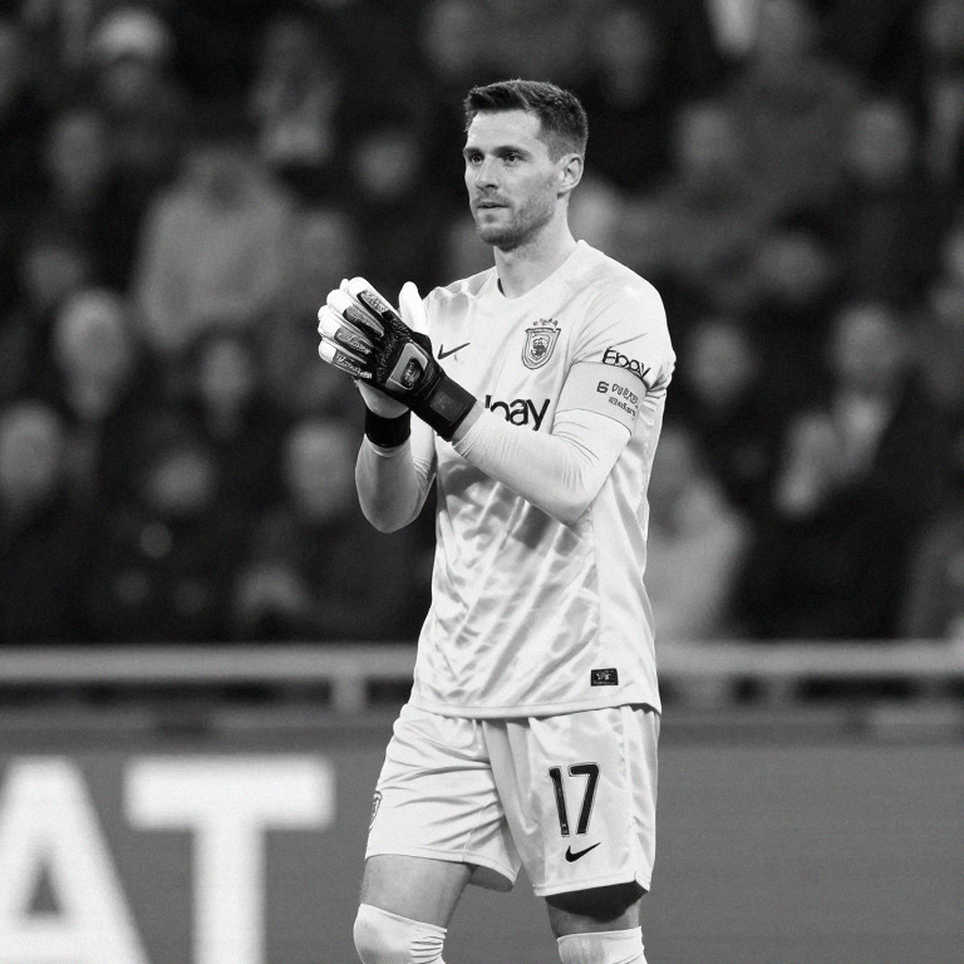
In the pre-match squad list, Dong Nai FC had one name sitting on the bench that made me stop longer than usual: Cong Phuong. The player the media calls the "most anticipated" of the newly promoted club did not appear in the starting eleven. For a side that has lost both opening fixtures, benching your most hyped name is a technical decision more than a media move.
At the same time, in the centre of defence, Jovic Filip sat out through suspension. That is a structural loss, and I will return to it below.
On the opposite touchline, Hanoi Police entered the match with two wins from two, with Quang Hai starting from the off, and with an attack comprising Alan Sebastiao, Leo Artur, Perea Vargas and Dinh Bac. Four different player profiles, and all of them available.
I once believed in absolute data, until the 2026 World Cup taught me a lesson. But I still keep one order of priority: before talking about inspiration, talk about who is present and who is absent. A team rarely loses a match in the press room; it loses it on the registration sheet.
Context: two opposite recruitment models
The V-League operates this season on a structure concentrated at the top. Hanoi Police, The Cong - Viettel and Hong Linh Ha Tinh form the core group contesting the title, while promoted sides enter the campaign with a far more modest objective: survival.
Dong Nai FC belongs to the second group. Across the first two rounds they lost both matches — to The Cong - Viettel and to Hong Linh Ha Tinh — with zero points from two outings. Looking back, the data from the 2026 Asian qualifiers was the starting point of everything in how I read domestic leagues: I learned to separate a bad start caused by the fixture list from a bad start caused by squad structure. The Dong Nai FC case leans towards the second.
What interests me more than the points tally is the squad structure. Dong Nai FC entered the season with a squad described as relatively old. For a newly promoted club, this is a classic recruitment choice: signing experienced players, usually on free or low-fee deals, to cut costs and buy immediate stability. The price is paid elsewhere: near-zero resale value, and sporting value that depreciates round by round.
On the other side, Hanoi Police assemble a large group of national-team players alongside quality foreign signings. These are two recruitment models running in opposite directions, and the gap between them does not sit in a single match — it sits in an entire multi-season building cycle.
One detail I am flagging for tracking: this fixture is staged at Binh Phuoc Stadium while the home side is Dong Nai FC. Ground-share arrangements of this kind often carry identity and commercial complications for a newly promoted club. I leave this open because I lack full confirmation, but it deserves recording as a background variable.
On the Hanoi Police side, one fact needs placing correctly. The club has just lost 1-4 to Gamba Osaka in the AFC Champions League Elite. Many outlets read that result as a psychological shock. I read it differently: a heavy defeat to a J-League representative says little about domestic form, because the quality of opposition across the two competitions sits on different scales.
Tactical analysis: why this is the worst opponent type for Dong Nai FC
Hanoi Police operate a game built on fast ball circulation to generate sustained pressure on the opposing defence. This is not a tactical invention. It is a mainstream model, and what decides its success is execution quality, not the idea.
A good diagram is a painting; a great one is a living system. What sets Hanoi Police apart is that they have enough personnel to turn a diagram into a living system. Alan Sebastiao, Leo Artur, Perea Vargas and Dinh Bac are four players with different skill profiles: one can hold the ball centrally, one can attack the flank, one can arrive in the box at the right moment, one young player can stretch a defence with pace. Those four options allow the team to circulate the ball vertically and horizontally at the same time, rather than depending on a fixed focal point.
That construction makes Hanoi Police hard to neutralise by locking down a single man — and that is precisely the opponent type a thin, patched-up defence must avoid.
For Dong Nai FC, the problem sits at both ends of the pitch.
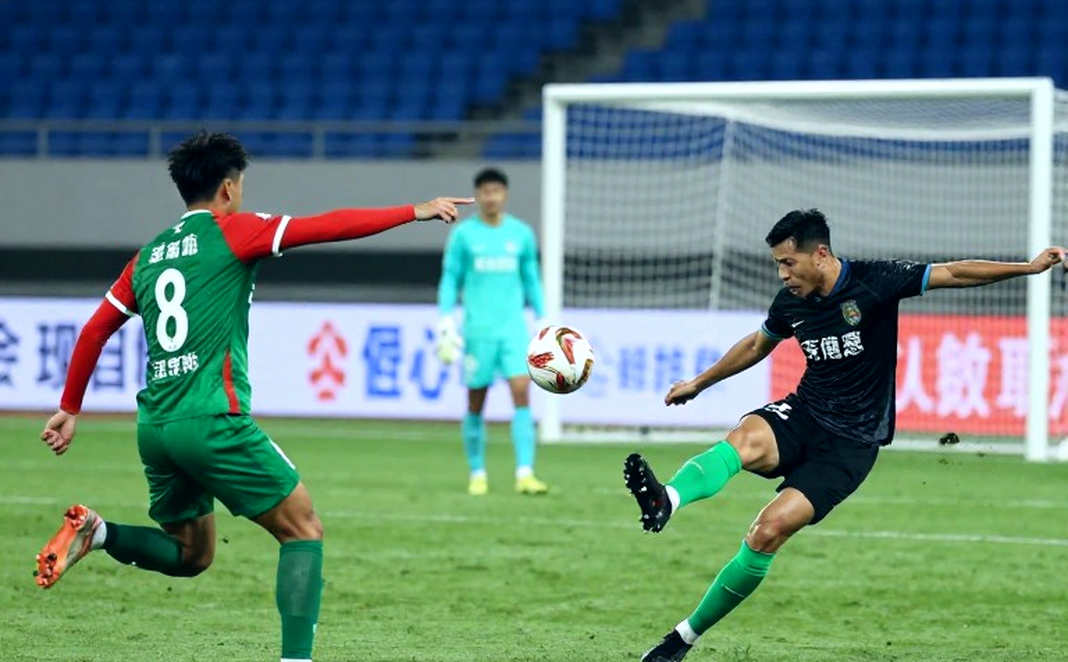
In attack, the club is assessed as struggling to create chances. That is a serious weakness against a side that dominates the ball. When you cannot organise attacks, you are forced to choose between two paths: push higher to contest the ball and accept the risk of being exploited in behind, or drop deep and live off rare counterattacks.
With an ageing squad, the second path is the more realistic option physically. But a low block only works when the team can counter with enough menace to force the opponent to keep bodies back. Dong Nai FC show no sign of that.
In defence, the loss is systemic. Jovic Filip is suspended, meaning the club loses a first-choice centre-back. In a match where the opponent circulates the ball relentlessly, a reshuffled back line is the most exploitable seam — because it does not merely lose an individual, it loses the entire positional reference system between centre-backs.
Notably, this problem cannot be fixed by a like-for-like substitution. Centre-back is a position that needs time to build shared reflexes. A new pairing needs several matches to learn who covers whom, who steps up and who drops in aerial situations. A match against Hanoi Police is not the occasion to test that understanding.
In attack, the second loss is more decisive. Majdevac is injured, meaning Dong Nai FC lose their natural focal striker — the most logical alternative when a different anchor point is needed. The consequence is that the entire creative burden falls on one 31-year-old player: Cong Phuong.
This is a form of single-point dependency, and it differs fundamentally from simply having a star in the side. Having a star means the team is stronger in one position. Single-point dependency means the team loses its system when that individual is not at their best, is locked down, or simply starts on the bench.
And that name is on the bench.
I do not read that as a punishment. I read it as an internal signal: the Dong Nai FC coaching staff may not share the media framing of Cong Phuong's importance. After two rounds, he has been described as leaving little impression.
If he comes on, the structural problem remains intact: a 31-year-old striker must do two jobs — hold the ball and finish. Against a defence with depth, those two tasks tend to cancel each other out.
On the Hanoi Police side, Doan Van Hau is suspended. In theory, that is a loss on the left flank. In practice, the club has many defensive alternatives. This is the classic marker of a title contender: injuries and suspensions do not create new holes, because those holes were provisioned for at the recruitment stage.
On timing, fixture load is distributed unevenly. Hanoi Police must stretch across two fronts — the V-League and the AFC Champions League Elite — while Dong Nai FC have only one. That is the home side's only clear advantage here: accumulated freshness.
But a physical advantage only converts into points when a team has enough tactical options to exploit it. Dong Nai FC lack both: they lack options, and they lack the players to execute them.
The counter-intuitive blind spot
The best system is not the one that cannot lose, but the one that cannot collapse. That line matters here, because it overturns an assumption currently circulating.
The popular assumption before this match is: Hanoi Police lost 1-4 in the AFC Champions League Elite, therefore they will enter this fixture with greater determination. That reading has a psychological basis, but no data basis. A heavy continental defeat can produce three different reactions, and all three have been observed in Vietnamese football: an explosion to rediscover the feeling, excessive caution that slows the tempo, or accumulated fatigue carried into the domestic fixture.
The blind spot is this: we are reading a defeat as a source of motivation, while the dataset points to a source of workload risk. This is the kind of inference I have made before and publicly corrected. I once believed in absolute data, until the 2026 World Cup taught me a lesson — and that lesson was not to abandon data, but not to assign emotions to numbers.
The second blind spot concerns Dong Nai FC. For a side on zero points after two rounds, the realistic target against the defending champion can hardly be three points. The likelier objective is limiting the damage and preserving goal difference — a variable that will follow the club all season and could decide their final position in May.
Read through that lens, defensive choices — benching the most hyped name to keep the back line adequately stocked — become far more reasonable than they look from the outside.
The third blind spot sits in the media framing. This match is being promoted on the story of Quang Hai and Cong Phuong — two former national-team teammates. That is a powerful emotional hook, and it is also a hook that is wrong on sporting terms. Those two players are in completely different states: one starts for the defending champions with two wins from two, the other sits on the bench for a club yet to register a point.
The media framing building an even contest between these two sides is a textbook case of media heat detaching from sporting reality. It is not the players' fault. It is how the sports market operates.
What needs verifying next round
Looking at this fixture, what is worth tracking is not the scoreline. It sits in three measurable variables.
The first variable is Cong Phuong's actual role: does he come on at the start of the second half, or only appear in the final twenty minutes once the match is settled. The answer tells us whether the Dong Nai FC coaching staff are building around him or trying to reduce their dependence on him.
The second variable is Hanoi Police's rotation level after the continental fixture. If several national-team players are rested, that signals a club managing workload the way a two-front side must — and it will feed directly into their domestic points rhythm over the coming rounds.
The third variable is the Dong Nai FC back line in the opening twenty minutes. If they hold their distances and avoid being stretched horizontally, their low block may survive the first half. If not, the match will be decided before the first half ends.
A wrong article in 2026 taught me this: correcting fast beats justifying. I will return to these numbers after the round, and if I have misread the structure of the Dong Nai FC defence, I will say so here.
A promoted side missing both a centre-back and their focal striker, facing the defending champion, on an afternoon when their most hyped player begins on the bench — is that a match they need to win, or simply one they need to survive so the season can continue?