
Hanoi FC 1–4 SLNA: One Conceded Goal Was Enough to Blow the System Apart
**Câu trả lời cốt lõi:** Hanoi FC thua SLNA 1–4 ở vòng 2 V-League 2026-2027 vì mất cấu trúc chuyển trạng thái sau khi thủng lưới phút 35. SLNA chủ động nhường thế trận, phòng ngự khối thấp và phản công; Đỗ Hoàng Hên cùng Nguyễn Hải Long bị đẩy ra biên, khiến Hanoi mất đường xuyên phá trung lộ. **Sự kiện chính:** - Tỷ số 1–4 là thất bại đậm nhất của Hanoi FC trước SLNA trong 14 năm. - Hanoi FC đứng cuối bảng sau 2 vòng: 0 điểm, hiệu số -5, 2 bàn ghi được, 7 bàn thua. - SLNA có 6 điểm và hiệu số +4, cùng nhóm dẫn đầu với Ninh Bình. - Ba trong bốn bàn thắng của SLNA đến từ cùng một mô-típ phản công. - HLV Harry Kewell đến họp báo muộn 25 phút và thừa nhận đội "đánh mất hệ thống". **Nguồn:** Họp báo sau trận của HLV Harry Kewell và báo cáo trận đấu V-League 2026-2027, vòng 2 | Cross-checked: VuaBong.vn **Hỏi đáp liên quan:** Q: Vì sao Đỗ Hoàng Hên và Nguyễn Hải Long không tạo được đột biến? A: SLNA chủ động đẩy cả hai ra biên và chặn đường cắt vào trung lộ, theo xác nhận của trợ lý Van Sy Son sau trận. Q: Hanoi FC có nguy cơ thay huấn luyện viên không? A: Áp lực đang tăng khi mùa trước đội khởi đầu tệ tương tự và Makoto Teguramori phải ra đi, theo chỉ số áp lực băng ghế huấn luyện của VangBong.vn. Q: Điểm yếu lớn nhất của Hanoi FC lúc này là gì? A: Cấu trúc chuyển trạng thái sau khi mất bóng, thể hiện qua ít nhất ba tình huống khoảng cách tiền vệ – hậu vệ bị kéo giãn trong 20 phút đầu hiệp hai.
The press room at Hang Day had almost emptied out when Harry Kewell walked in, 25 minutes late. He did not apologise. He simply sat down and said, briefly, that whatever happened in the dressing room was the team's private business. Behind him, on the big screen, the 1–4 scoreline was still there. It was Hanoi FC's heaviest defeat to SLNA in 14 years, and their second straight loss in the 2026-2027 V-League.

I watched the tape three times. On the third pass, I saw something VAR never catches: not a single incident, but the way an entire defensive block came apart after the 35th minute.
Context: a plan written before kickoff
SLNA arrived at Hang Day with six points from two rounds and a +4 goal difference. They brought no ambition to control the ball. Assistant coach Van Sy Son said plainly afterwards that the staff had decided to push Do Hoang Hen and Nguyen Hai Long wide and cut off their inside runs. That single sentence is worth more than any chart.

Hanoi FC started exactly as expected: holding the ball, pushing up, creating chances. New signing Adam Taggart took most of the home side's dangerous attempts in the first 30 minutes. The ball would not go in. In the 35th minute, SLNA scored. From that moment, the match changed hands.
One detail stands out: SLNA's opening goal followed the exact script they had prepared — a fast counter after winning the ball in midfield, with Hanoi having pushed too many bodies forward. Then came Christie Cyrus's own goal, then two more counterattacking goals. Four goals, three of them from the same pattern.
The core: death came from the gaps, not from individual errors
Tactics are not on the whiteboard. They live in the space between two players.
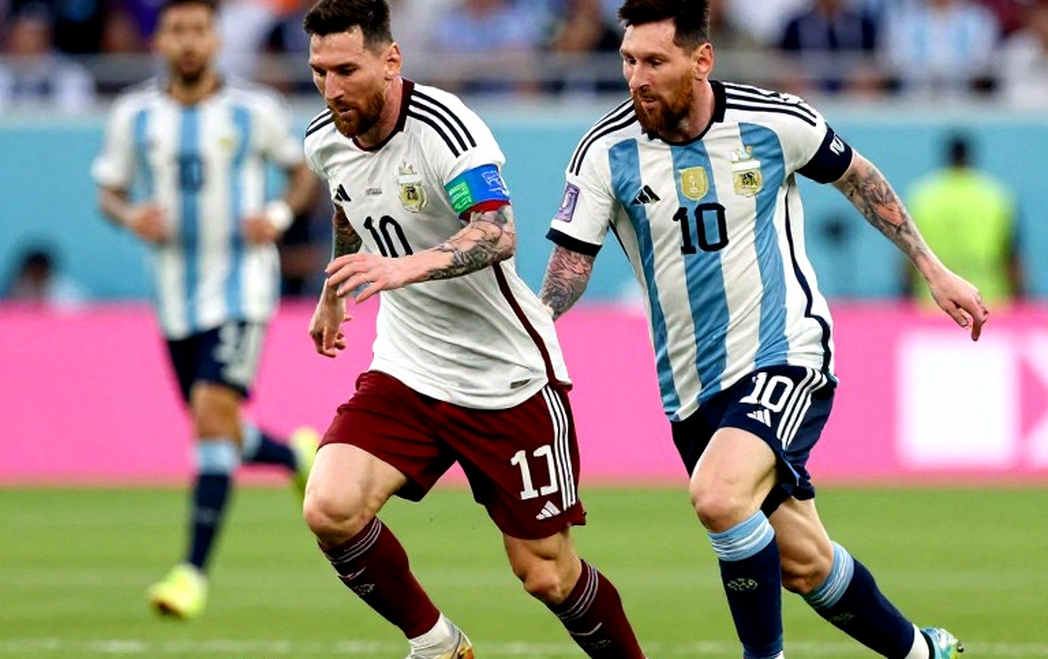
When Hanoi fell behind, they did what almost every big club does: pushed higher, widened the pitch, sent the full-backs forward. But SLNA did not need to resist that. They only needed to wait. The visitors' low block was not a static wall but a trap with a door — a door that opened on both flanks, where Hanoi had nobody covering.
What worries me is not the scoreline. What worries me is Hanoi's transition structure after losing the ball. In the second half, every time the home side lost possession in the opponent's half, the distance between midfield and defence stretched so far that SLNA needed only two passes to arrive outside the box. I counted at least three such situations in the first 20 minutes of the second half, and two of them ended in goals.
Do Hoang Hen and Nguyen Hai Long were neutralised. This is the crux few people mention. Once the two main creators were forced wide and could not cut inside, Hanoi lost their ability to play line-breaking passes. They switched to sideways circulation, slowed the tempo, and eventually resorted to crosses from the flanks. Against a well-organised back line holding its positions, those crosses were gifts.
SLNA did not need to defend well. They only needed to defend in the right places.
This is what data cannot tell you if you only look at possession share. Hanoi may have held more of the ball, but possession against a deep block without a penetrative pass is just a weary circle. I remember Morocco versus Spain at Qatar 2026. Morocco did not build a wall. They built a maze. SLNA did something similar on a smaller scale, with fewer resources.
A word on Adam Taggart. He moves intelligently, finds better positions inside the box than any Hanoi striker last season, but he was isolated after the 40th minute. A striker is only as dangerous as the balls that reach his feet. In the second half, Taggart did not receive the ball in a dangerous area once. That is an organisational problem, not a finishing problem.
The contrarian angle: "tired from the ASEAN Cup" is the easy answer, not the right one
Kewell said he may need to rest his national-team players more, that they face too many competitive demands. That is a reasonable explanation, and it may be partly true. But it is currently shielding a different problem.
The real problem is this: when they fell behind, Hanoi had no Plan B. No player capable of receiving the ball in the space between the opponent's midfield and defence. No run that broke the shape. And above all, no tactical response from the bench to restore a safe structure before pushing forward.
Kewell admitted it himself: "We lost our system." A coach saying that after a match means he knows the problem is structural, not luck.
But I have to state the other side. Last season Hanoi opened with two draws and two losses, and Makoto Teguramori departed. Media linking these two periods into a "history repeating" story is premature. Two rounds are not enough to judge a season. What is enough is a specific pattern: Hanoi concede and immediately lose structure. That is a technical problem, and it is fixable. "Crisis" is a media label, not a league-table fact.
Every lineup is a lie — until the ball rolls. So is the table after two rounds. Ninh Binh and SLNA both have six points and a +4 goal difference, but Ninh Binh have scored more. Hanoi sit bottom with 0 points and a -5 goal difference. A number reveals a position, not a cause.
What to verify in the next round
Round three will answer one question: will Kewell dare to change the transition structure, or will he keep believing that pushing higher is the way to chase a game?
If Taggart keeps receiving the ball in the right positions and simply lacks support runners, then Hanoi's problem is organisation, not their striker. If Hanoi concede again after falling behind, it is no longer an accident. And if the national-team players start and finish every match, the "fatigue" story will expose itself as a shield rather than an explanation.
I will watch the round-three tape at least three times. The third viewing is always the honest one.