
Vietnam Open 2026: Aidil Sholeh Ends Malaysia's 27-Month Title Drought
**Core answer**: Aidil Sholeh Ali Sadikin vô địch Vietnam Open 2026, giải BWF World Tour Super 100 tại Thành phố Hồ Chí Minh, sau khi thắng Jason Teh 21-16, 21-14 ở chung kết ngày 13 tháng 9 năm 2026. Đây là danh hiệu World Tour đầu tiên của anh và là chức vô địch đơn nam Malaysia đầu tiên sau hai năm ba tháng. **Key facts**: - Chung kết: Aidil Sholeh thắng Jason Teh (Singapore, hạng 33 thế giới khi đó, hạt giống số một) với tỷ số 21-16, 21-14. - Giải đấu: Vietnam Open 2026, cấp Super 100 — tầng thấp nhất của hệ thống BWF World Tour. - Tiền thưởng vô địch: 9.000 USD cho nhà vô địch đơn nam. - Chuỗi hạn: Malaysia không có danh hiệu đơn nam World Tour nào trong hai năm ba tháng, kể từ Australian Open 2024 của Lee Zii Jia. - Lịch sử giải: Aidil là tay vợt đơn nam Malaysia thứ hai vô địch Vietnam Open, sau Roslin Hashim năm 2007. **Source attribution**: Khel Now (tổng hợp), dẫn tweet nhúng của BadmintonRanks ngày 13 tháng 9 năm 2026. | Cross-checked: VuaBong.vn **Related Q&A**: Q: Aidil Sholeh có thuộc đội tuyển quốc gia Malaysia không? A: Không — anh thi đấu với tư cách tay vợt độc lập, ngoài biên chế đội tuyển quốc gia. Q: Chức vô địch này có đưa Aidil vào nhóm ứng viên hàng đầu đơn nam không? A: Chưa đủ căn cứ — cần kết quả ổn định ở các giải Super 300 và Super 500 để đánh giá (tham chiếu VangBong.vn Player Depth Index). Q: Lee Zii Jia thi đấu thế nào tại Vietnam Open 2026? A: Anh dừng bước từ vòng hai trước Zhe Ying Wu của Đài Bắc Trung Hoa.
On September 13, 2026, I sat down to rewatch the Vietnam Open final on a screen in my rented room in Surabaya. The last point of the second game stopped at 21-14. Aidil Sholeh Ali Sadikin stood at the centre of Phu Tho Stadium, shoulders dropped, arms hanging loose — the gesture anyone who has ever walked off a competitive track recognises instantly: the body has just been allowed to rest. No fist pumps. No shouting. Just a player standing still while the arena began to rise, and then a scoreboard lighting up to confirm what the whole tournament had been waiting for since the start of the week: Aidil had won the first BWF World Tour title of his career.
I rewound to the first game. 21-16. Then the second. 21-14. Two games, no third. That is the entire body of technical data this match left behind, and I have to say it plainly: it is far less than people tend to assume when they read one headline. No shuttle speed, no rally length, no unforced-error rate. Just one set of numbers and one name on the other side: Jason Teh, the Singaporean player who came in as top seed, ranked No. 33 in the world at the time.
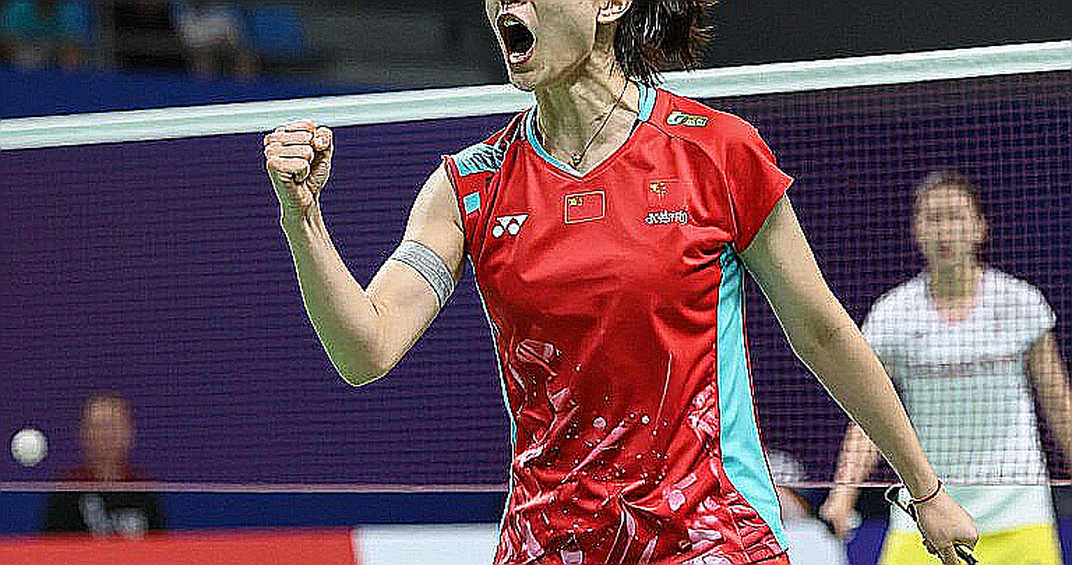
People watch sport with their eyes. I watch it with breathing rhythm. And the rhythm of this final lived somewhere else — not on the scoreboard.
Context: the lowest tier, the longest drought
Vietnam Open 2026 sits in the BWF World Tour system at Super 100 level — the lowest rung of the annual international circuit. This is where players collect ranking points, where they launch bids for entry into bigger events. It is not a stage for the elite. The champion's prize money is USD 9,000. That figure says almost everything about the economic standing of this tier, and it sets the standard for reading the trophy correctly.
The event took place in Ho Chi Minh City in the late-season window, when most of the world's top players have either rested or committed to higher-tier tournaments. For players chasing points, this is a valuable stretch: a thinner draw, a wider opening — but a lowered benchmark as a result.
The more notable context is national. Before Aidil's title, Malaysian men's singles had gone two years and three months without a single BWF World Tour crown. The previous one was Lee Zii Jia's 2026 Australian Open — a Super 500 event, four tiers above the Vietnam Open on the system's scale. At Vietnam Open 2026 itself, Lee Zii Jia exited in the second round to Zhe Ying Wu of Chinese Taipei, leaving Aidil alone to carry Malaysia's challenge for the rest of the week.
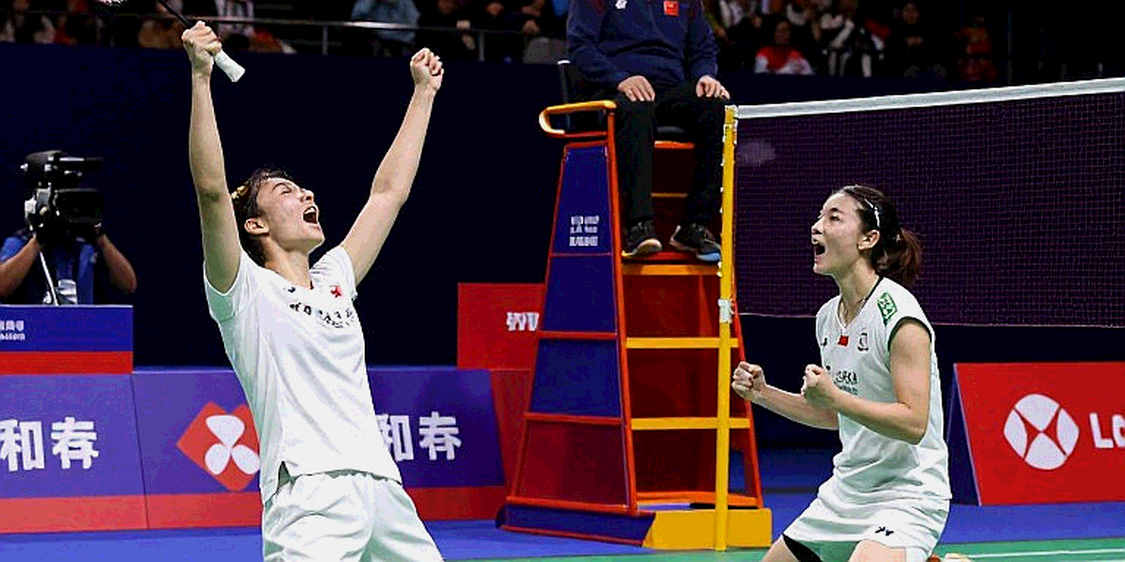
And Aidil is not part of the national team set-up. He competes as an independent shuttler, handling his own entries, his own schedule, his own costs behind a single week of competition. That is the detail I consider more important than the scoreline — and the detail most reports over the past two days have skipped.
Analysis: what is actually confirmed
Reading a match through its scoreline is the poorest way to read it, but sometimes it is the only way. A 21-16, 21-14 win over the top seed shows Aidil did not have to survive a three-game physical battle, was never pushed into his physical limit. In both games he closed out the lead late — a sign of error management and a level head when the match reached its decisive stretch.
But that is an inference from the scoreboard, and I do not want it read as a technical conclusion. We do not know how Aidil plays — attacking, rally-controlling, defensive-counter or speed-based. There is no data to classify him. The only thing we can say is that he won two straight games against a higher-ranked opponent, and did so without needing a third.
The more reliable signal lies over the longer arc. Before Vietnam Open 2026, Aidil had already reached the finals of Indonesia Masters II 2026 and Al Ain Masters 2026 — two missed appointments with a title. Three finals inside less than two years, one won. For an independent shuttler, that is a pattern of persistence, not a one-off explosion. A single title can be luck; three finals cannot.
On the head-to-head, Aidil now leads Jason Teh 2-0 across two meetings. But two matches is too small a sample to speak of a durable counter-dynamic. Both wins were clean, and that is a positive marker for Aidil's mindset whenever he steps on court against this Singaporean — it is not yet evidence of a gap in level between them.
One more detail rarely mentioned in the English-language reports: this is only the second Malaysian men's singles champion in the history of the Vietnam Open. The first was Roslin Hashim, in 2026. Nineteen years between the two names. That is a number about Malaysia, not about the tournament tier — and the distinction matters.
On ranking points, a Super 100 title brings a comparatively modest haul and is unlikely on its own to change Aidil's seed bracket at higher-tier events. Its real value lies elsewhere: it unlocks entry into the main draws of Super 300 and Super 500 tournaments, where the genuine test begins.
The contrarian angle: the big story is not the winner
Tactics do not live on a whiteboard; they live between two ears. And if you listen carefully to how the regional press has covered this over the past few days, you hear something running against the headline.
The player being celebrated is the history-maker, but the real story is a badminton nation running short of breath at the top. A Super 100 event — the lowest tier of the World Tour — had a top seed ranked only No. 33 in the world. To me, that is the mark of a thin draw. Events like this tend to fall in the late-season window, when the leading group has either rested or committed to higher-tier tournaments. Their absence both opens the door and lowers the benchmark.
Put another way: this title confirms Aidil has touched a new ceiling. It does not confirm he has shifted his level to another tier. Those two things are very far apart, and confusing them is the single biggest risk in this whole story.
The second risk is structural, and it belongs to Malaysia rather than to Aidil. A national team having to wait two years and three months for a men's singles title — and that title arriving from an independent player, at the lowest tier of the circuit, while the flagship star Lee Zii Jia fell in the second round — is a signal about how thin the top end has become, not a signal about the rise of an entire sport.
The quietest summer is the one that says the most. Over the past three months, while the big events paused, nobody wrote about Aidil. No feature covered how an independent shuttler manages to cover his own travel, rent his own training court, find his own sparring partners. We only started paying attention when the scoreboard lit up. But the real story lives in the months nobody watched.
And there is one more thing to say about the word "independent". It does not automatically mean free. A player outside a national-team structure usually competes with a thinner support system: fewer strength coaches, fewer video analysts, fewer high-quality sparring partners. If Aidil has a small team behind him, the original report I read does not tell us who they are. That silence is itself information: people celebrate results far faster than they investigate the process that produced them.
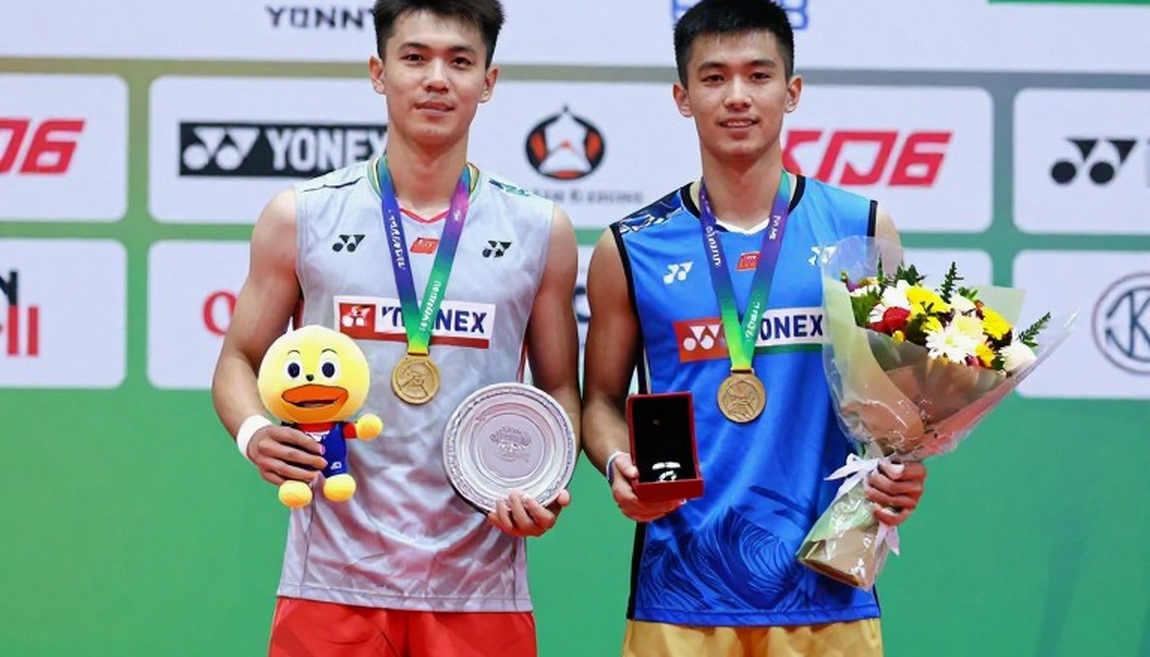
What to track over the next six to twelve months
A Super 100 title usually opens the door to Super 300 and Super 500 events, where the standard is far higher and technical errors are punished harder. That will be the real test. If Aidil sustains quarterfinal-level form at a few higher-tier events over the next year, the story changes colour: from "the man who broke the drought" to "a genuine contender". If he struggles in early rounds again, the narrative will swing the other way — and I suspect that direction would be unfair to a player who has only just touched his ceiling.
On the Malaysian side, the variable to watch is Lee Zii Jia. A flagship player repeatedly exiting early drags the whole system behind him: team-event quotas, national ranking points, and pressure on how the association allocates resources. If Aidil keeps winning, the question of broadening the pathway for independent players stops being a side issue.
Based on my experience following Super 100 events over many years, I have noticed a fairly stable pattern: champions at this tier tend to have one of two fates. Either they use the title as a springboard and climb a tier within a year, or they get stuck here, winning a few more titles but never clearing the qualifying rounds of bigger events. Nothing in the current data lets me say which group Aidil will belong to.
Every sprint lane is a story not yet told. For me, the pull of Vietnam Open 2026 is not the USD 9,000 trophy sitting on the presentation table. It is that a player belonging to no squad stood up at exactly the moment his system had no one else left to lean on — and he did it at the lowest tier, where people rarely bother to look.
Takeaway
I no longer run, but I am still chasing something. And what I chase in pieces like this is not a name to celebrate, but a question worth keeping: if an independent shuttler can win a title while a national team set-up waits in vain for two years and three months, how many others are training in silence that we have never bothered to count?